Cartridge Collectors
Cartridge vs Bag: Which System Fits Your Facility?
A cartridge collector fits tight spaces with high airflow demands. A bag collector suits large volumes and variable dust loads. The right choice depends on your floor
Practical dust collection knowledge for industrial buyers and engineers.
Dust Collection Guide covers the technical and commercial decisions that go into industrial dust collection projects. The content focuses on the parts buyers actually inspect and the documents they sign off: collector housings, filter media, fan specifications, explosion venting, and maintenance schedules.
The site compares common collector types and explains how their performance depends on dust load, moisture, temperature, and particle size. It covers the quality checks and compliance steps that separate a reliable installation from a costly retrofit.
Start with the stage of the sourcing process you are in.
Learn about baghouse design, filter selection, sizing, and maintenance for effective industrial dust collection systems.
Explore cartridge collector options, filter replacement, and performance for compact dust collection in various industries.
Understand cyclone and scrubber technology for coarse dust removal, wet collection, and complementary air treatment systems.
Review explosion prevention, suppression, and safe dust collection practices for combustible dust environments.
Find practical guidance on industry standards, regulatory requirements, and compliance for industrial dust collection systems.
Learn about filter cleaning, replacement intervals, and maintenance practices to keep dust collectors performing well.
Compare supplier capabilities, specifications, and support options to select the right dust collection system for your facility.
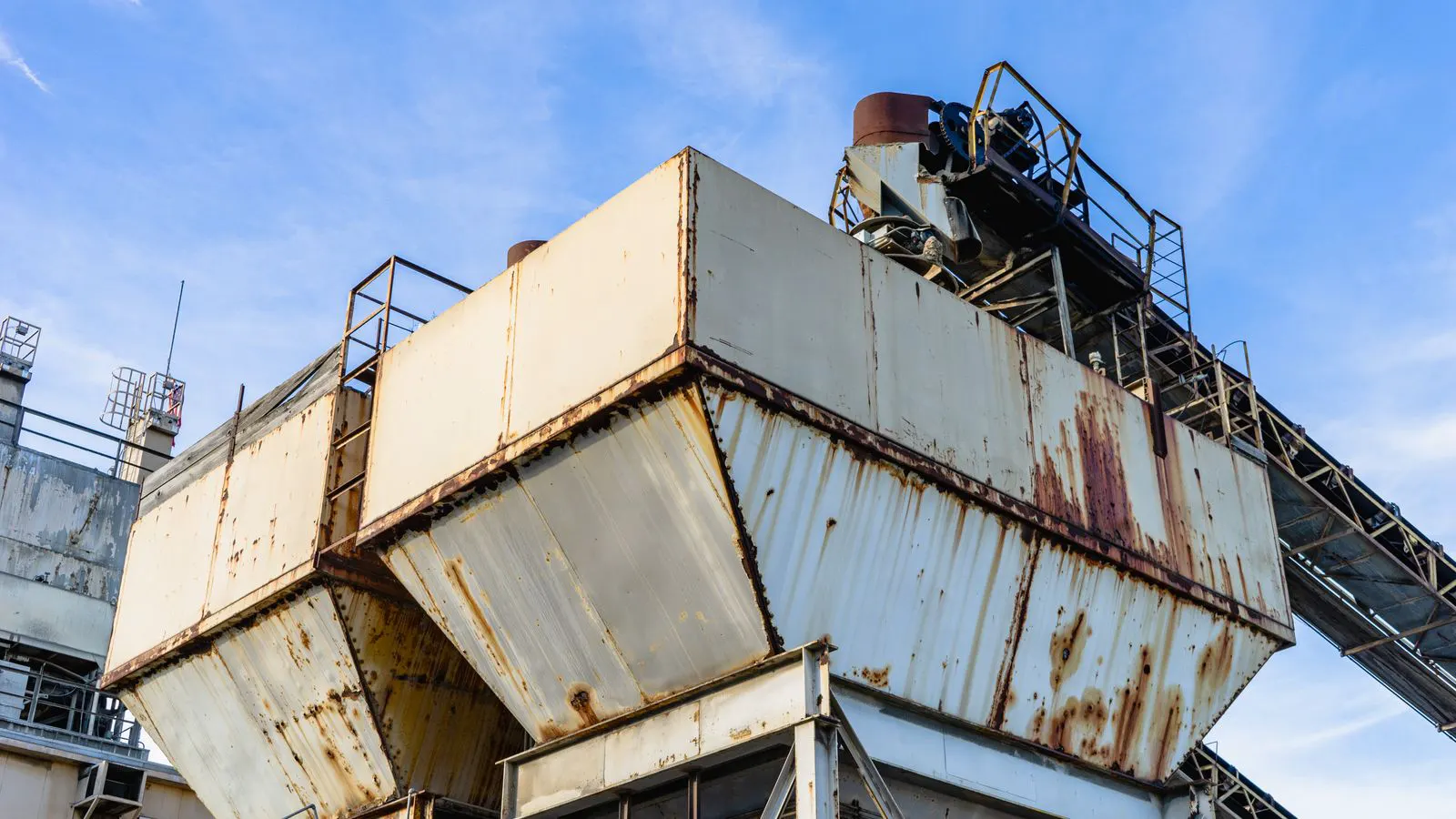
A cartridge collector fits tight spaces with high airflow demands. A bag collector suits large volumes and variable dust loads. The right choice depends on your floor
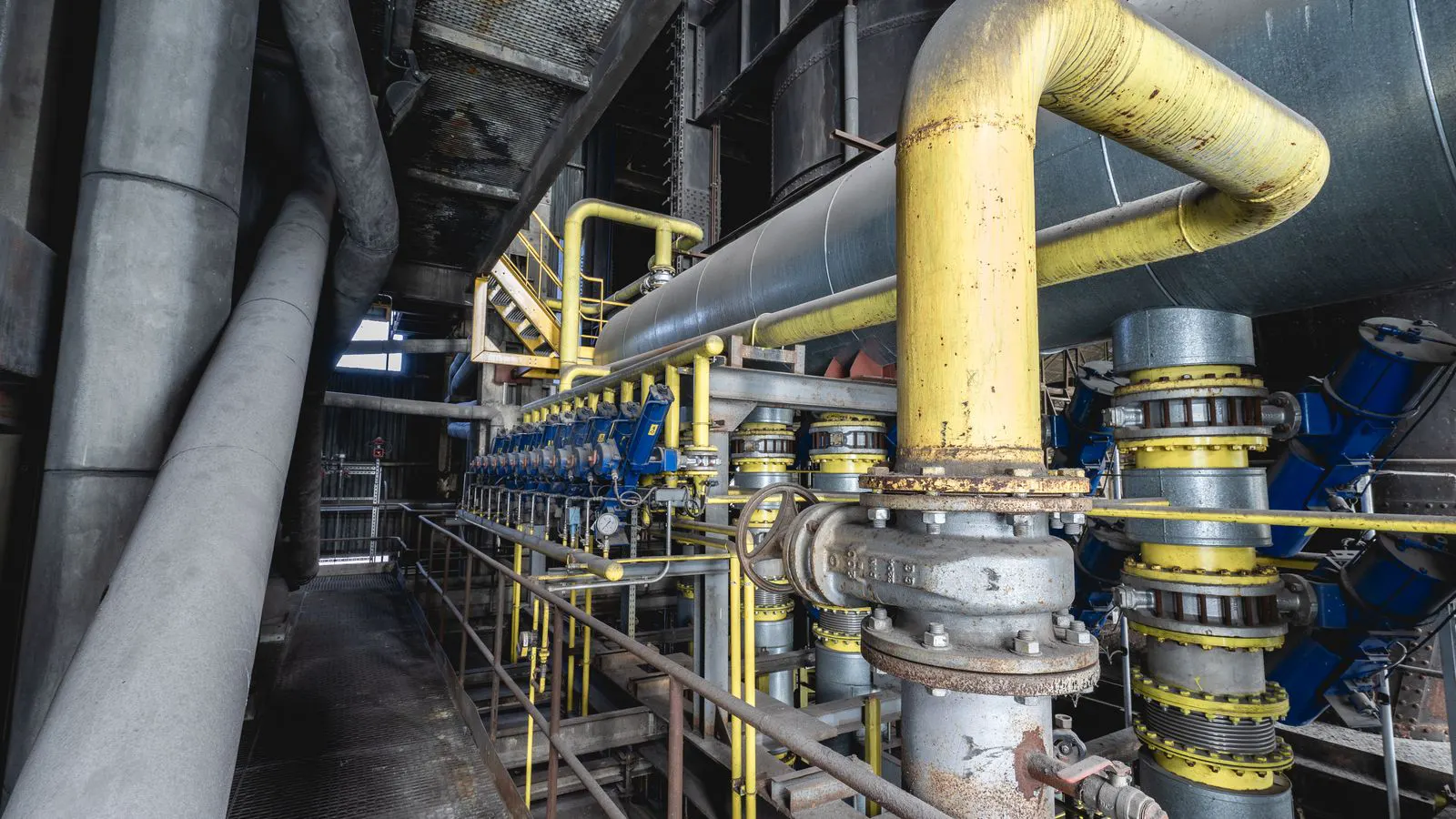
A cyclo baghouse hybrid separates coarse and fine particles before filtration. Use this setup for heavy loads that cause rapid pressure drop in single-stage units.
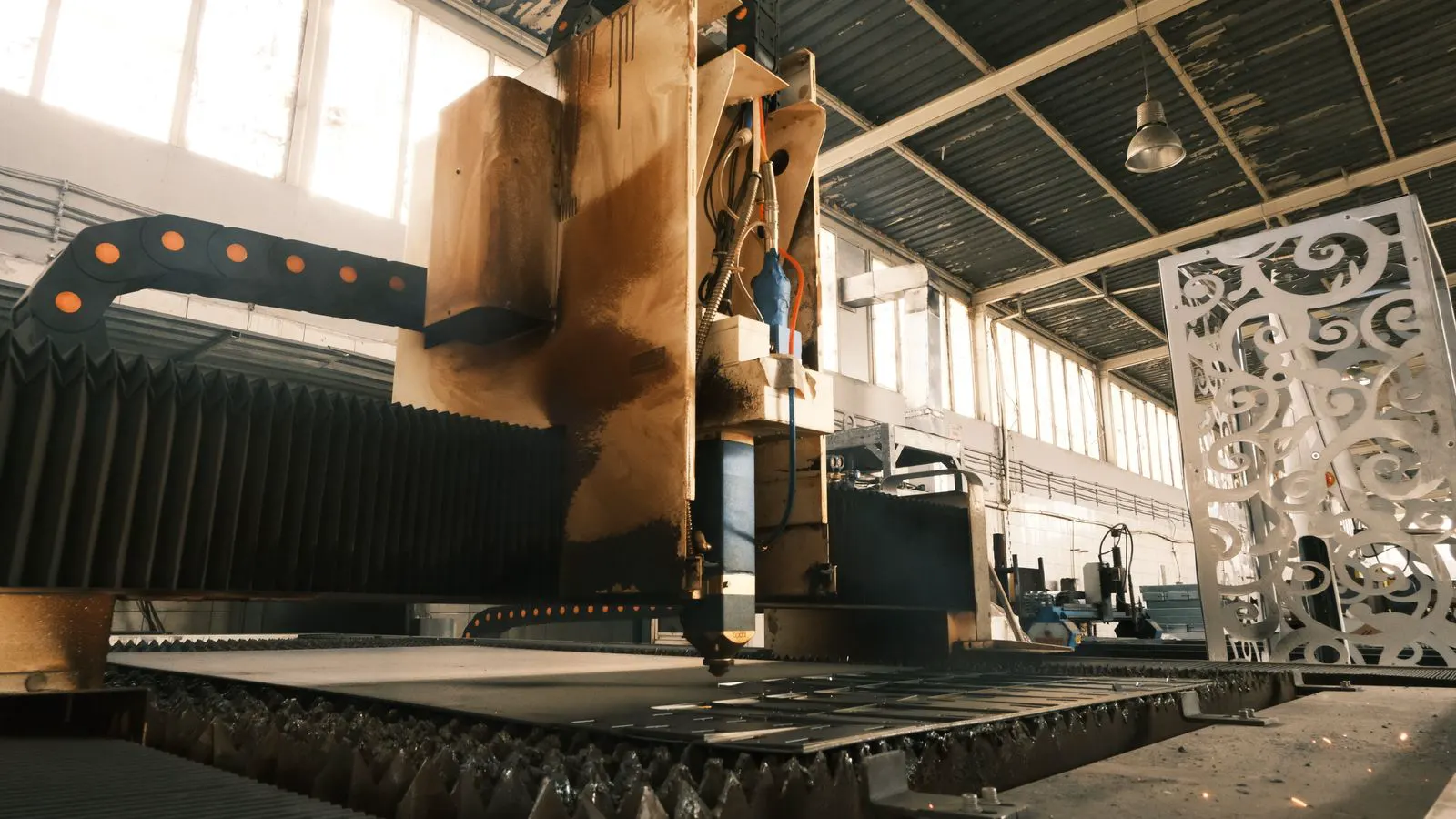
Verify dust collector compliance by checking emission data, reviewing supplier documentation, and validating system design against local and EU requirements. This
PTFE filter media pricing and delivery depend on raw material availability, coating type, and order volume. Supply chains shift with resin costs and production capacity.

Dust collector maintenance cost varies widely based on system size, dust type, and filter media. Budgeting requires accounting for routine cleaning, media replacement
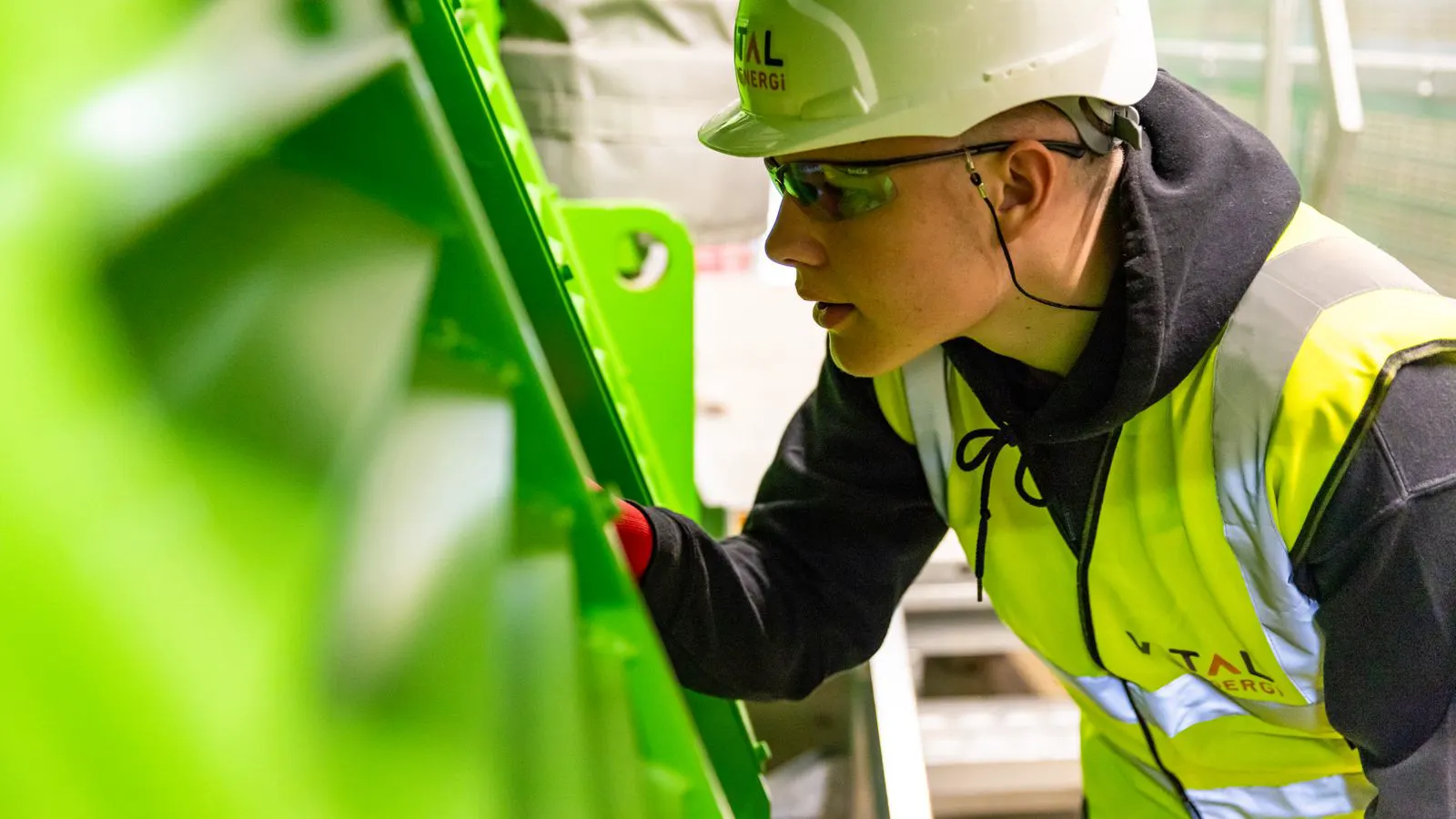
New projects face tighter rules and better detection tech. This guide outlines five shifts in explosion safety. It covers how to prepare your risk assessment and design
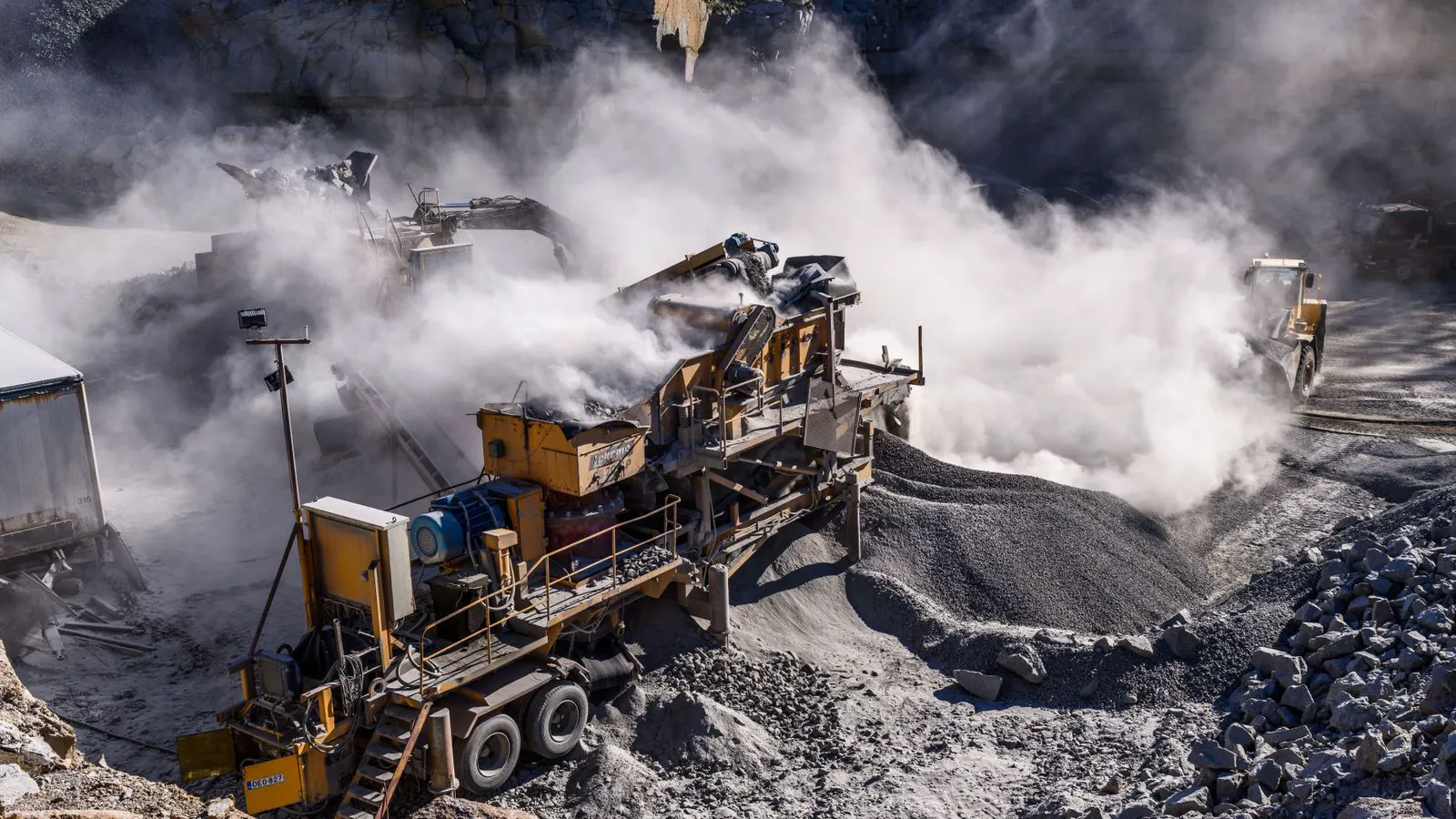
A rising baghouse pressure drop indicates clogged filters, damaged media, or airflow imbalance. Identify symptoms, isolate the cause, and apply targeted fixes like
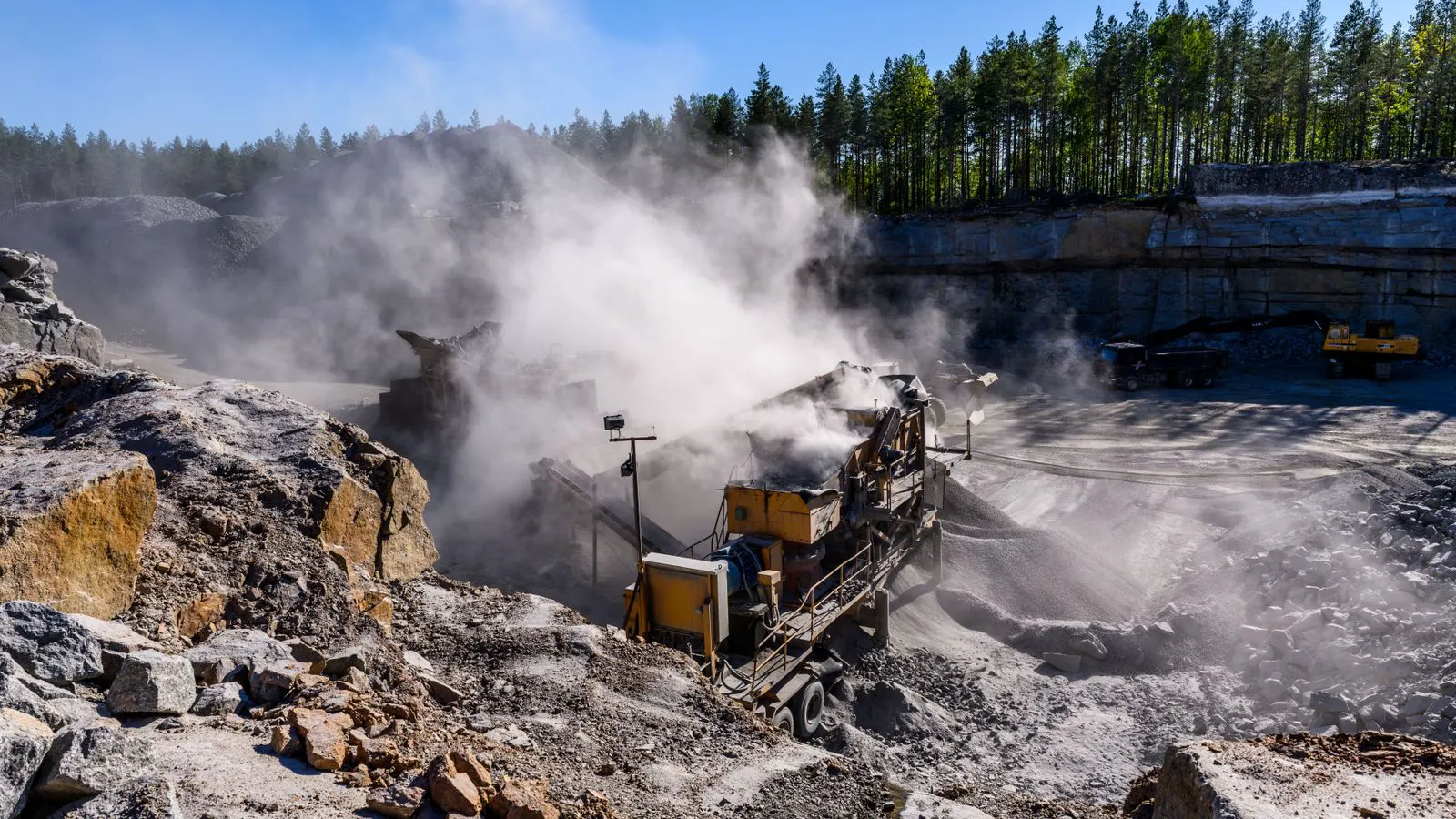
Wet scrubber design is shifting due to stricter moisture control, energy recovery, and maintenance needs. Engineers are moving toward closed-loop systems, modular
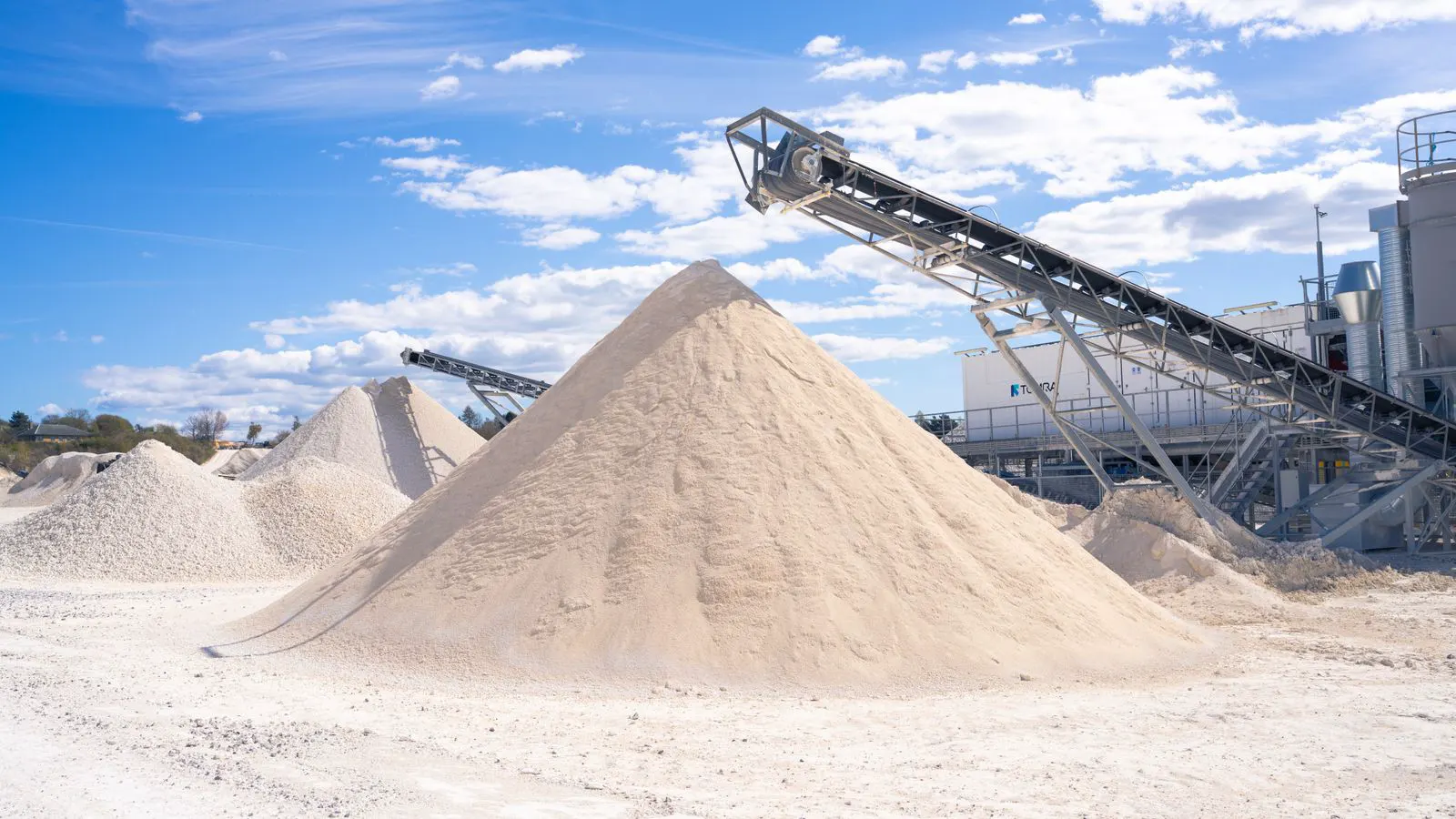
Cartridge filters clog when airflow patterns fail, media saturates with sticky material, or maintenance is skipped. This guide lists seven common causes, matches them to
Baghouses use large fabric bags and are common for high-volume systems. Cartridge collectors use individual filter cartridges and often provide easier maintenance and finer filtration control.
Cyclones separate coarse particles using centrifugal force and handle wet or abrasive streams well. Scrubbers use liquid to capture fine particles and gases, often for mixed dust and fume applications.
Check the collector for explosion venting or suppression, verify electrical rating for the area, confirm the fan and duct sizing, and test the filter system under rated conditions.
It depends on dust type, loading, and collector design. Many systems use pulse cleaning at set intervals, but heavy or sticky dust may require more frequent inspection and media replacement.
Review relevant national and regional standards for equipment construction, electrical rating, explosion protection, and emission limits. The specific code depends on the jurisdiction and the dust being collected.
Ask for the basis of sizing, filter media options, cleaning cycle settings, spare parts availability, lead time, and whether the system includes a commissioning report.