New projects face tighter rules and better detection tech. This guide outlines five shifts in explosion safety. It covers how to prepare your risk assessment and design choices for combustible dust hazards.
- Treat every new facility as a high-risk environment until proven otherwise.
- Shift from static design to continuous monitoring and dynamic risk assessment.
- Integrate electrical classification and area zoning early in the design phase.
- Prioritize maintainability and sensor accessibility to reduce inspection gaps.
- Document all assumptions and changes to support future compliance reviews.
Why New Facilities Face Higher Expectations
New industrial projects no longer operate in a regulatory vacuum. Inspectors and insurers now expect a documented path from initial design through operation. The standard is not just a single report on a shelf. It is a living record of how the facility handles dust, heat, and ignition sources.
Buyers often assume that a new building comes with a clean slate. In practice, it starts with a set of assumptions that must be verified. The raw material feed rate, the particle size distribution, and the temperature of the process air all matter. If you get these wrong, the system you design may fail when the process changes.
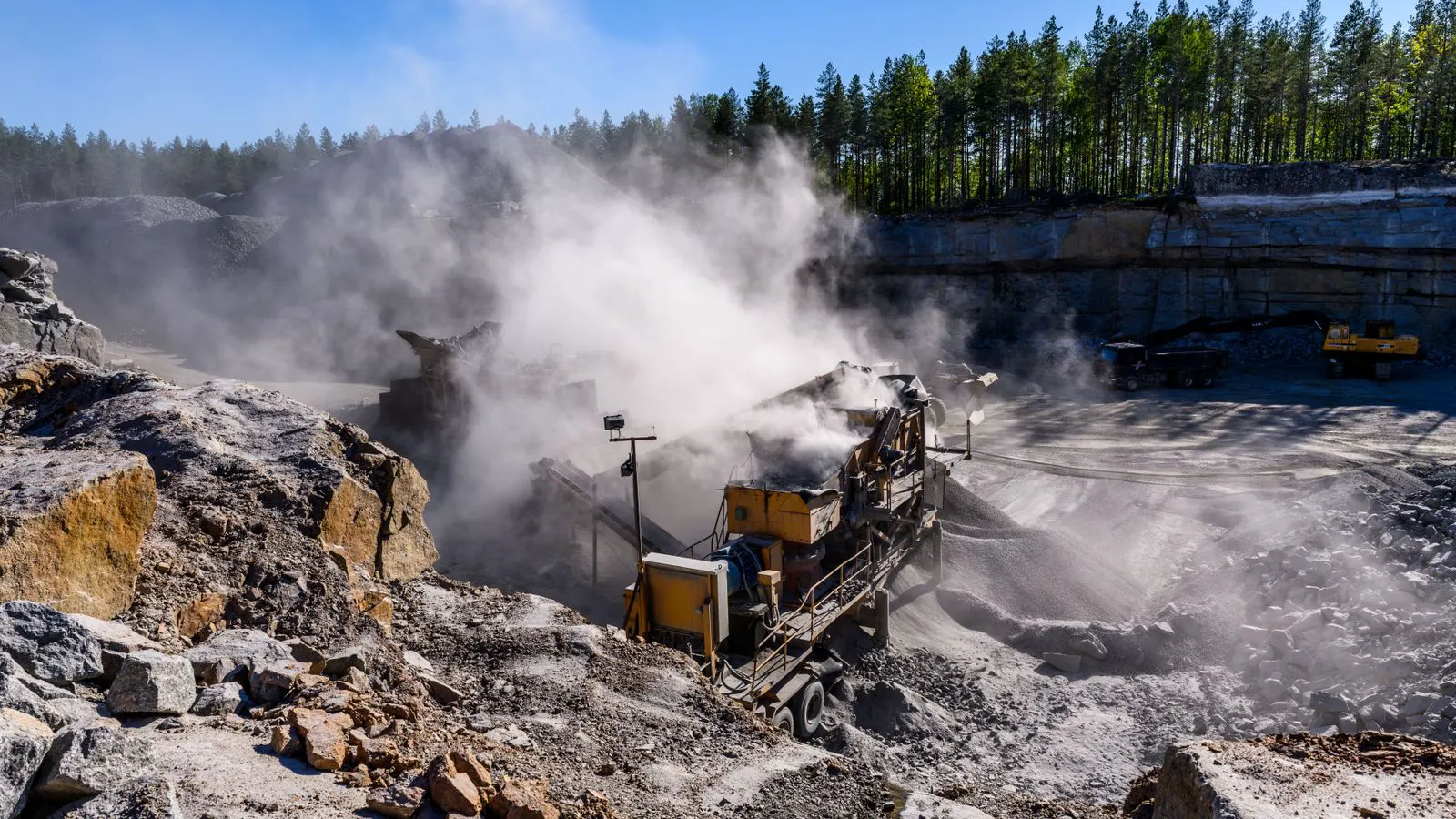
The core problem is that combustible dust behaves differently than people expect. It does not just settle. It suspends. It migrates. It accumulates in hidden spots. A facility that looks clean on the floor can still hold a thick layer of flour, resin, or wood dust on a beam or a pipe flange.
This article focuses on five shifts in how buyers should approach explosion safety. It also explains how to prepare your risk assessment for these changes. The goal is practical planning. You will see where the pressure is building and what to do about it.
Shift One: From Static Design to Dynamic Monitoring
The old model treated the facility as a fixed object. You designed the system for the worst case you could imagine. You added safety features and called it done. That model is failing.
Modern processes change. New product lines appear. Speeds increase. Feeders get modified. These changes alter the dust load and the ignition potential. A static design cannot keep up with this reality.
The shift is toward dynamic monitoring. Sensors now track temperature, airflow, and particle concentration in real time. They feed data into control systems that can shut down equipment before a hazardous buildup occurs.
This changes the design conversation. You are no longer just sizing a fan or a cyclone. You are designing a data architecture. You need to decide where sensors go. How often they report. How that data triggers alarms or shutdowns.
For risk assessment, this means documenting the monitoring points as core safety features. If a sensor fails, what is the fallback? The answer must be written down. It cannot be assumed.
Shift Two: Earlier Integration of Electrical Safety
Electrical classification used to be a late-stage task. Engineers would draw the mechanical layout, pick the equipment, and then ask an electrical consultant to review it. This creates gaps. The electrical plan often lags behind the process reality.
The new expectation is integration from day one. The electrical classification must happen during the conceptual design phase. You need to know the dust properties before you select the control panel.
This is where many projects stumble. They treat the electrical zone as an afterthought. Then they have to redo the conduit runs and change the control panel location. It costs time and money.
For explosion safety, the electrical plan is not separate from the dust plan. They are the same system. A Class I Zone 1 area is not just about lights. It is about the motor driving the feeder. It is about the sensor on the duct.
Prepare your risk assessment by listing all electrical components in the dust area. Tag each one with its required rating. This creates a clear map for inspectors and for your own maintenance teams.
Shift Three: The Rise of Advanced Detection Technology
Detection technology has improved significantly. Older systems relied on simple heat or flame sensors. They were prone to false alarms. They missed small events.
Newer systems use multi-spectral imaging and particle detection. They can identify a small ignition event before it grows. They can distinguish between a spark and a normal process fluctuation.
This shifts the burden of proof. You are no longer just preventing ignition. You are detecting it early. The system must be able to spot a problem and react within seconds.
For new facilities, this means choosing detectors that fit the specific dust type. A detector calibrated for wood dust may not work for plastic resin. The material matters. The particle size matters.
In your risk assessment, define the detection criteria. What event triggers the alarm? What is the shutdown sequence? How long does it take to stop the process? These numbers must be realistic. They must match the actual response time of the equipment.
Shift Four: Emphasis on Housekeeping and Access
Housekeeping is not just a cleanliness issue. It is a safety feature. Dust accumulation on surfaces creates a fuel source. It reduces the ignition energy needed to start an explosion.
New facilities often start clean. That is a trap. The first few months of operation can be messy. People forget to clean. They move things. They create new dust paths.
The shift is toward making housekeeping part of the safety system. You need to design access points. You need to schedule cleaning. You need to train staff on what to look for.
This changes the facility layout. You need to place walkways where you can check for buildup. You need to use materials that do not trap dust. You need to design ducts that can be inspected without major disassembly.
For risk assessment, document the housekeeping plan. List the surfaces that accumulate dust. Set the cleaning frequency. Assign responsibility. This is a safety control, not a maintenance task.
Shift Five: Documentation as a Living Record
The final shift is in how we handle records. Old projects kept a folder of reports. New projects need a living record.
Regulators and insurers now expect to see the history of changes. They want to know when a feeder was replaced. They want to know when a sensor was recalibrated. They want to know when the dust properties changed.
This is where the risk assessment becomes a document, not a project. It is updated with every change. It tracks the lifecycle of the facility.
For buyers, this means setting up a document management system from the start. You need a single source of truth. You need version control. You need a log of all approvals.
Prepare by creating a template for the risk assessment. Include fields for change history. Include fields for sensor calibration dates. Include fields for housekeeping reports. Make it easy to update.
How to Prepare Your Risk Assessment
Preparing for these shifts requires a structured approach. You need to gather data. You need to model the system. You need to plan for the future.
Start with the material. Get the dust properties. Know the particle size. Know the minimum ignition energy. Know the maximum limiting oxygen concentration. This data drives everything else.
Next, map the facility. Identify the dust zones. Identify the ignition sources. Identify the accumulation points. Create a visual map. Mark the electrical equipment. Mark the control panels.
Then, design the controls. Choose the detection method. Choose the suppression method. Choose the isolation method. Size the collection system. Make sure the data flow is clear.
Finally, write the plan. Put it in a format that is easy to read. Use diagrams. Use tables. Use clear language. Make sure the operators understand what to do.
Practical Planning Checklist
Use this checklist to guide your planning. It covers the key points discussed above.
- Define the dust properties. Get lab data or reliable industry data.
- Map the electrical zones. Classify every area.
- Select detection technology. Match it to the dust type.
- Design for housekeeping. Plan access and cleaning.
- Set up documentation. Create a living record system.
Table: Key Risk Factors in New Facilities
| Risk Factor | Description | Preparation Step |
|---|---|---|
| Material Change | New product lines alter dust properties | Update risk assessment with new data |
| Electrical Gaps | Late integration of electrical design | Classify zones during conceptual design |
| Sensor Failure | Detection system goes offline | Define fallback procedures in plan |
| Dust Accumulation | Housekeeping lapses create fuel | Set cleaning frequency and assign staff |
| Documentation Gaps | Missing change history | Use version control for all records |
Final Thoughts on Planning
The future of explosion safety is not about more paperwork. It is about better data. It is about earlier design. It is about treating the facility as a dynamic system.
Buyers who plan for these shifts will have a smoother project. They will pass inspections faster. They will have lower insurance costs. They will have a safer facility.
Start now. Get the data. Map the zones. Plan the controls. Write the plan. Do not wait until the building is done. The best time to prepare is before the first bag of dust is loaded.
Frequently asked questions
What is the first step in planning explosion safety for a new facility?
The first step is defining the dust properties. You need to know the particle size and ignition energy before you can design the system.
Can I use the same detection system for different dust types?
No. Detection systems must be calibrated for the specific dust. A sensor for wood dust may not work for plastic resin.
How often should I update my risk assessment?
Update it every time there is a change. This includes new products, new equipment, or process changes.
Is housekeeping really a safety control?
Yes. Dust accumulation creates a fuel source. Regular cleaning is a core part of the safety system.
What is the biggest mistake in new projects?
The biggest mistake is treating electrical safety as an afterthought. It must be integrated from the start.